
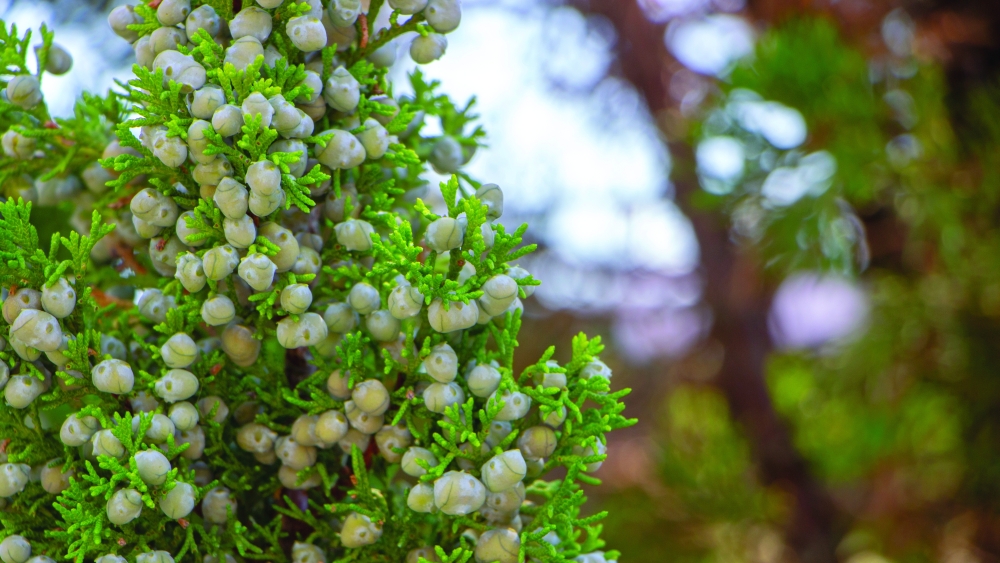





MUSCAT: High in the rocky heights of Al Hajar Mountains, above 1,800 metres where the air is cooler and the landscape rugged, grows a tree that has witnessed more than a millennium of change.
The Al Alalan tree, a native Omani juniper belonging to the conifer family, can survive for more than 1,000 years. Growing at an exceptionally slow pace, its rings preserve centuries of climate history, while its presence reflects the stability and health of the mountain ecosystems where it thrives.
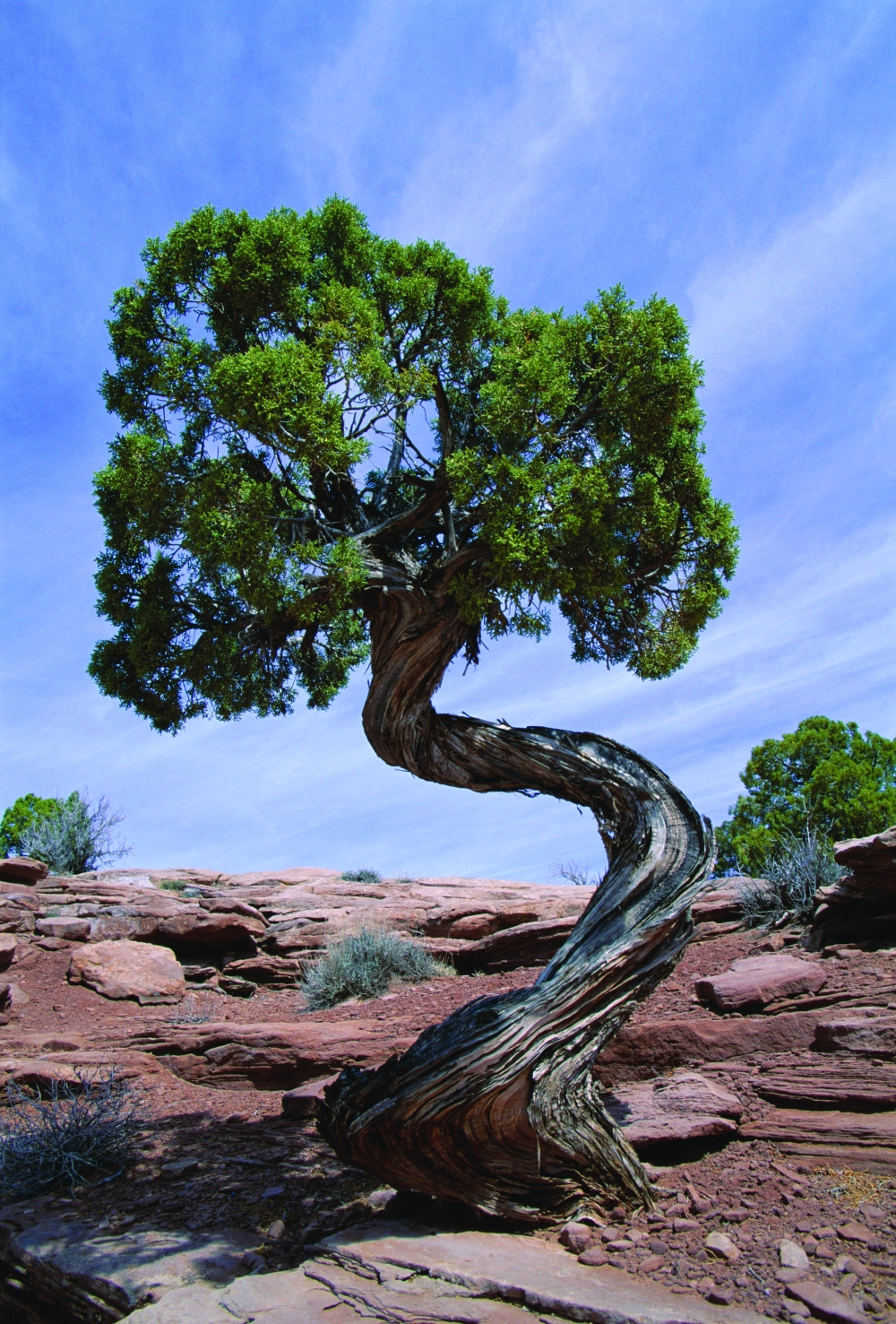
Mohammed al Bahrani, a content creator documenting Oman’s natural heritage, describes the Al Alalan as a remarkable tree with a distinctive fragrance, natural insect-repelling qualities and deep roots in the landscapes of Al Jabal Al Akhdhar and Jabal Shams.
He believes many visitors do not fully recognise the historical and environmental value of these ancient trees when they encounter them in the mountains.
Haitham bin Said al Farqani, Head of Biodiversity and Vegetation Cover Development at the Environment Authority, said the tree’s extremely slow growth is one of the reasons for its ecological importance.
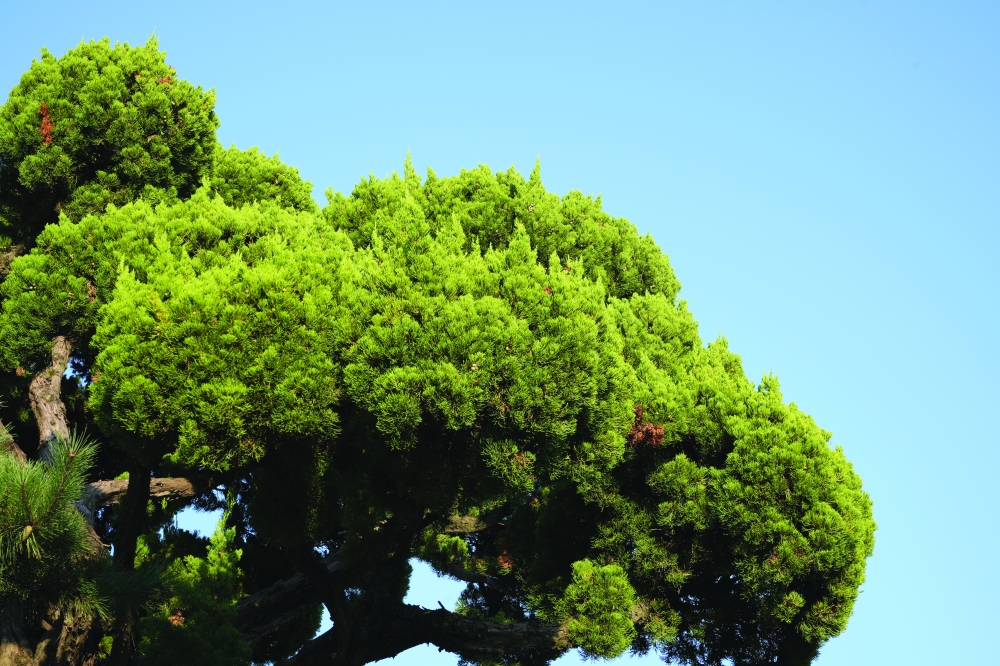
Over its long lifespan, the Al Alalan stores carbon for extended periods, acting as a natural carbon sink. Its unique shape, fragrance and resilience have also made it a striking feature of Oman’s mountain scenery, often appearing in photographs capturing star trails and night skies.
Beyond its environmental importance, the tree has economic and cultural value. Its aromatic properties have contributed to its use in products such as soaps, perfumes and shampoos.
Its durable wood, which contains natural compounds resistant to termites, has traditionally been used in construction, while parts of the tree have also been used in traditional remedies.
One example of the Al Alalan’s connection with local heritage can be seen along the Darb Al Silsila mountain trail, a historic route linking Al Huwaib village in Wadi Al Sahtan, the Wilayat of Al Rustaq, with Bait Al Sharaf in the mountain heights of Misfat Al Abriyeen, the Wilayat of Al Hamra. The trail incorporates Al Alalan wood, reflecting the traditional relationship between local communities and their natural surroundings.
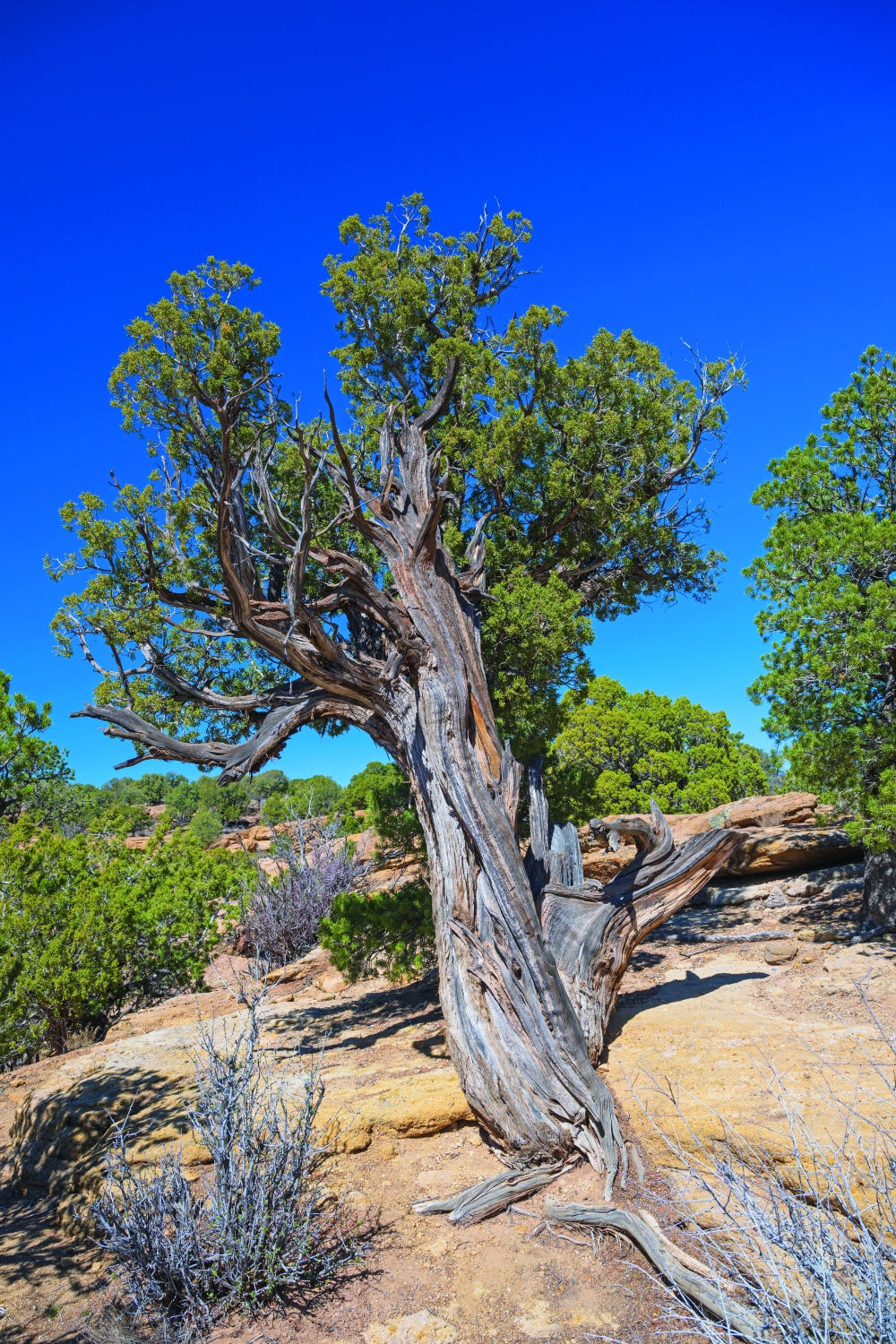
Despite surviving for centuries, the Al Alalan is now classified as an endangered species. Al Farqani said the Environment Authority has established monitoring programmes and field inspection units to survey populations inside and outside protected areas and identify violations affecting the trees.
Visitors to nature reserves are encouraged to protect the species by avoiding cutting, damaging or disturbing the trees. Awareness signs also warn against lighting fires near Al Alalan trees, as their resin-rich wood can ignite easily.
The Environment Authority is also promoting awareness among younger generations through school programmes and astronomy camps held in nature reserves. These activities encourage hikers, photographers and stargazers to appreciate Oman’s mountain environments and the ancient species that form part of their natural heritage.
A tree that has stood for more than a thousand years represents more than a piece of vegetation — it is a living record of Oman’s environmental history. Protecting the Al Alalan means preserving a legacy that took centuries to grow but could disappear within minutes.
Oman Observer is now on the WhatsApp channel. Click here